How The Devil Wears Prada 2 Became a Box Office Powerhouse in 2026
Lena Voss & Ann Rivera, PPM Staff
5/10/20262 min read
Category: Culture & Entertainment
Editor: Lena Voss - Culture & Entertainment Editor & Ann Rivera, Fashion Editor
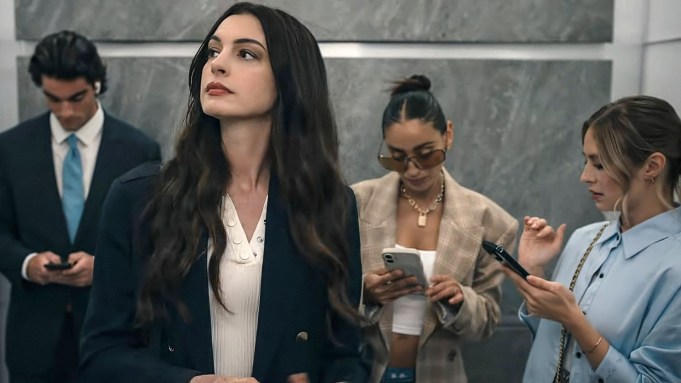
Twenty years after its original cultural imprint, The Devil Wears Prada 2 re-entered cinemas not as a nostalgic follow-up, but as a full-scale box office phenomenon. The film opened to $77 million domestically and $233+ million worldwide in its first weekend (May 1–3, 2026), immediately positioning itself as one of the strongest global debuts of the year and a rare comedy-led tentpole dominating early summer.
The sequel reunites a legacy ensemble—, , , and —and the return alone functioned as a market catalyst. Industry estimates placed the production near $100 million, meaning the film effectively recouped more than double its cost within three days, an unusually aggressive ROI curve even for franchise cinema.
Box Office Performance & Market Shock
The $77M domestic debut marks the highest opening for a traditional comedy since 2015, significantly outperforming expectations set by pre-release tracking. Globally, the $233M+ launch places it among the top worldwide openings of 2026 so far, competing directly with major franchise releases such as .
Beyond raw numbers, the performance signals a structural shift: female-led, fashion-centered storytelling is now capable of anchoring global blockbuster-scale openings, not just mid-budget success.
Nostalgia Engine + Audience Economics
A core driver of the film’s performance is what studios are now calling “IP maximization”—the strategic reactivation of legacy franchises with minimal narrative barrier to entry. The original 2006 film’s continued streaming presence created a multi-generational audience pipeline:
Millennials returned for cultural continuity and cast reunion
Gen Z audiences entered through streaming discovery and meme culture
Fashion audiences treated the release as a seasonal cultural event
This dual-layer audience structure expanded the film’s ceiling far beyond typical comedy demographics.
Marketing as Cultural Event Design
The marketing campaign was engineered as a high-frequency attention loop rather than a traditional rollout. Key drivers included:
A teaser campaign that generated 181.5 million views in 24 hours
Viral “leaked” footage strategies designed to simulate insider fashion industry access
Coordinated global premieres aligned with fashion-week calendars
Luxury brand integrations that blurred the line between film promotion and editorial fashion coverage
This positioned the film less as a sequel and more as a live cultural moment unfolding across digital and physical spaces.
Reception & Longevity Potential
Critically, the film landed in strong positive territory, with audience response highlighting its blend of nostalgia-driven storytelling and updated commentary on modern fashion media, labor dynamics, and celebrity branding. Early audience scores suggest strong rewatch potential, particularly among fashion-forward demographics.
Forecast models now suggest The Devil Wears Prada 2 is on pace to surpass the original film’s $326 million lifetime global gross, potentially redefining the franchise ceiling entirely within its first theatrical run.
PPM Takeaway
This release demonstrates a refined evolution in franchise economics: nostalgia alone is no longer enough. Success at this scale now depends on precision alignment between IP memory, digital virality, and lifestyle-based marketing ecosystems. In this case, fashion wasn’t just a theme—it was the distribution strategy.
Tags: #DevilWearsPrada2 #BoxOffice #IPStrategy #FashionFilm #PPMInsights