

The Death of the Casual Shooter: Why Modern Warfare 4’s Algorithm Makes Us Miss 2009
Following the October 23, 2026 launch of Call of Duty: Modern Warfare 4, a massive player backlash over strict SBMM and EAMM matchmaking algorithms has triggered skyrocketing refund rates. While the single-player campaign and audio design are critically acclaimed, multiplayer fans are furious with competitive, data-driven "sweat cycles" and dissolving lobbies. This piece contrasts MW4’s rigid system with the connection-first, organic chaos of 2009's legendary Modern Warfare 2. Finally, it explores how Call of Duty: Mobile is capitalizing on this frustration, welcoming console refugees with its upcoming 7th Anniversary update and the official return of the iconic Verdansk battle royale map.

By: Staff Writer
Category: Gaming / Culture
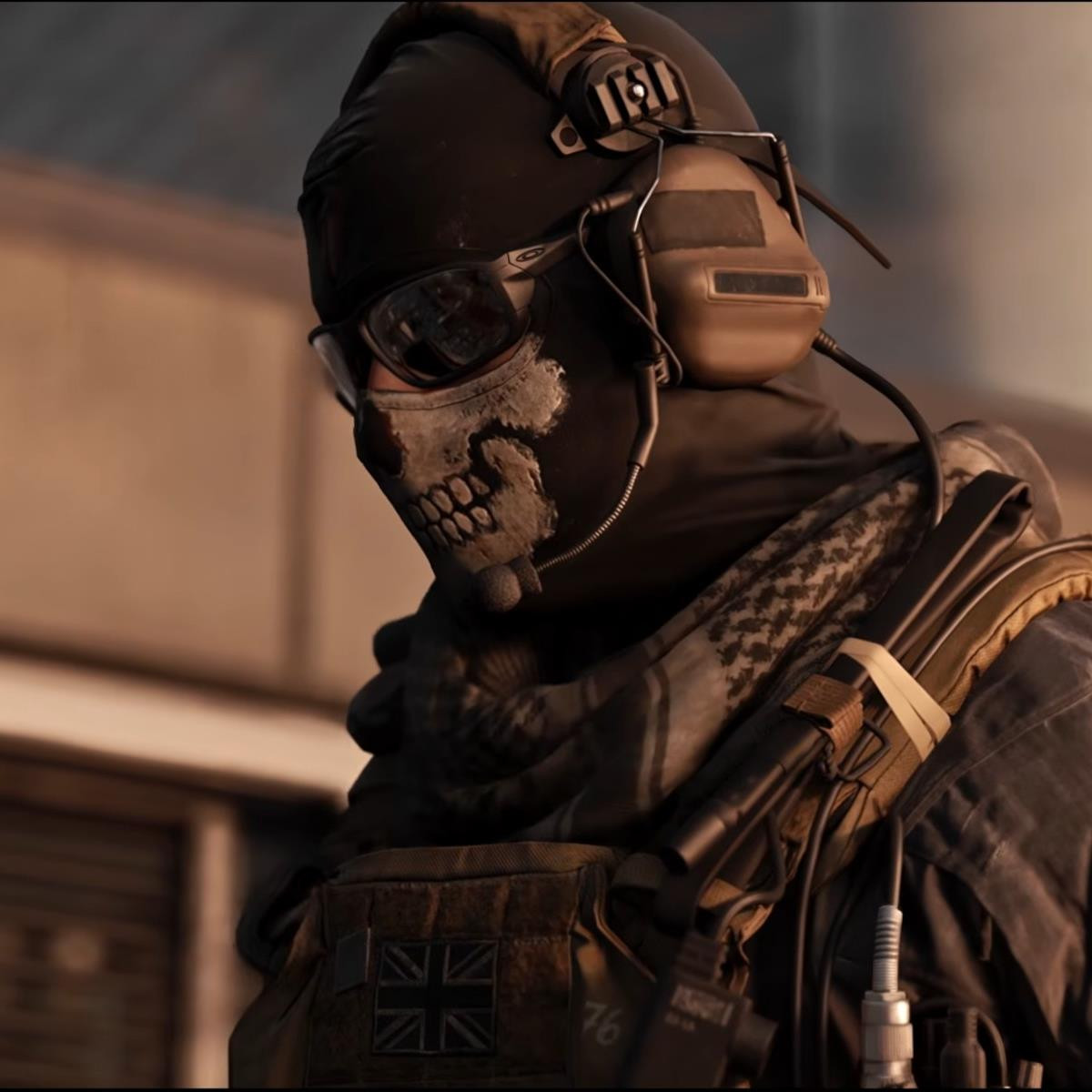
The first-person shooter landscape shifted on October 23, 2026, when Activision globally launched Call of Duty: Modern Warfare 4 across PlayStation 5, Xbox Series X|S, PC, and Nintendo Switch 2. On paper, the game is a resounding critical triumph. Boasting a Metacritic score in the high 80s, reviewers and veterans alike have praised its gritty, cinematic 16-mission single-player campaign set on the Korean Peninsula, its punchy, realistic audio design, and its fluid, grounded movement mechanics. It even launched an innovative modular multiplayer map, Kill Block, which physically reconfigures its sightlines between rounds.
Yet, beneath the glossy review scores, a massive cultural revolt is brewing. Within 48 hours of launch, social media platforms and YouTube Shorts were flooded with reports of a massive problem: player refunds are pouring in at an unprecedented rate. The culprit isn't a lack of content or a broken engine. It is the game's brutal, invisible matchmaking algorithm.
The Algorithm Trap: How Casual Play Became a Job
Modern multiplayer gaming is no longer governed by simple connection speeds; it is dictated by data science. Modern Warfare 4 utilizes a hyper-tuned iteration of Skill-Based Matchmaking (SBMM) and Engagement-Optimized Matchmaking (EAMM). Rather than throwing players into random, connection-first lobbies, the algorithm tracks live performance metrics—including Kill/Death ratios, accuracy, and score per minute—to dynamically orchestrate every match.
The system alters the core gameplay experience in three distinct ways:
- The Sweat Cycle: Winning one or two matches instantly triggers a harsh correction, forcing mid-to-high tier players into grueling, competitive brackets where opponents strictly abuse meta-weapons and high-intensity movement tactics.
- Connection Sacrifices: To find players of the exact same skill bracket, the system routinely de-prioritizes ping. This causes noticeable packet burst, lag spikes, and high latency as it pulls opponents from different geographic regions.
- Lobby Dissolution: Because individual skill ratings are recalculated after every single match, multiplayer lobbies are torn apart the moment the scoreboard fades, entirely eliminating the social element of the game.
The backlash intensified after launch when fans discovered that a looser, connection-based "Open Matchmaking" playlist featured during the beta was completely stripped from the final retail release. In a recent statement, multiplayer director Joe Cecot defended the system, explaining that the studio's primary goal is utilizing data to construct "good matches," signaling no intention to dial back the metrics. The frustration has even bled into the mobile space; players who digitally pre-ordered MW4 to unlock the exclusive ICR-1 Shattered Relay blueprint in Call of Duty: Mobile are jumping back to their phones just to escape the console matchmaking.
Why 2009's Modern Warfare 2 Remains the Unbeaten Winner
The current controversy highlights exactly why the original 2009 Call of Duty: Modern Warfare 2 is still celebrated as the absolute pinnacle of the franchise. Built in an era before retention algorithms, MW2 prioritized unapologetic, unpredictable, and chaotic fun.
• Persistent Lobbies: In 2009, lobbies stayed together after a match ended. This allowed strident rivalries to form, trash-talk to brew, and genuine friendships to develop over the course of an evening.
• Connection-First Matchmaking: Lobbies prioritized low ping above all else. This created a completely random pool of rookies, casuals, and experts in the same game, meaning a player's real-time skill progression was tangibly rewarded when they managed to dominate a room.
• Beautiful Imbalance: MW2 operated on the design philosophy that if everything is overpowered, nothing is. From Akimbo Model 1887 shotguns to the laser-accurate ACR, the sandbox allowed any playstyle to thrive. Combined with legendary, vertical maps like Highrise and Terminal, and the ultimate 25-kill win condition of the Tactical Nuke, the stakes felt organic rather than manufactured.
The Mobile Alternative: CODM’s 7th Anniversary
As console players push back against the algorithm, Call of Duty: Mobile is capitalising on that exact nostalgia. While currently running its community-voted "Vampires vs. Werewolves" event for Halloween, the mobile title is gearing up for a massive 7th Anniversary update on November 12, 2026.
Crucially, the mobile update is giving players exactly what the console crowd is begging for: the official return of the legendary battle royale map, Verdansk. Alongside a dark, grittier Modern Warfare-inspired UI overhaul, the addition of the Signal 50 sniper rifle, and a mechanical movement upgrade allowing players to dolphin dive, the mobile ecosystem continues to thrive by looking backward, even as the mainline console entries push blindly forward into a data-driven future.
The current state of Modern Warfare 4 leaves the community at a crossroads. Until developers realize that players want to play a video game rather than solve a matchmaking equation, the chaotic, unfiltered glory days of 2009 will continue to hold the crown.
The debate surrounding Modern Warfare 4’s matchmaking has reached a fever pitch, prompting an unusual level of transparency from Infinity Ward regarding how players are paired in multiplayer lobbies. While players often throw around acronyms like SBMM (Skill-Based Matchmaking) and EOMM (Engagement-Optimized Matchmaking), the actual architecture driving your competitive experience is a complex web of prioritizing latency, skill parity, and player retention. Infinity Ward’s latest insights confirm that while connection speed remains the foundational baseline, persistent hidden metrics heavily dictate lobby balancing. This technical orchestration keeps matches highly intense, though it leaves the community deeply divided over whether the system prioritizes algorithmic engagement over organic, casual fun.
Meanwhile, massive updates to the DMZ ecosystem are shifting how players approach high-stakes extraction. Rather than relying on static spawn points and highly predictable rotations, the new framework dynamically alters exfil zones and AI aggression based on the lobby's real-time performance metrics. This ensures that veteran squads face escalating challenges, while newer operators are given a slight buffer to secure their loot. By decoupling progression from rigid structures and tying it directly to live lobby pacing, the developers are attempting to solve the long-standing issue of endgame stagnation—proving that whether you are hunting players in multiplayer or extracting hardware in DMZ, an invisible algorithm is always keeping score.
What’s your take on the matchmaking divide?
We want to hear from you.
Vote in our live Power Pulse Reader Poll and see how your experience stacks up against the rest of the community!
WEIGH IN: THE POWER PULSE READER POLL
The data scientists have made their choice, but now it’s your turn. Is the hyper-competitive algorithm of Modern Warfare 4 the future of fair play, or has it completely stripped the soul out of casual gaming? Whether you are grinding through the sweat cycles on console, refunding your purchase in protest, or jumping ship entirely to catch the helicopter back into Verdansk on mobile, your voice matters.
Cast your vote in the "Culture & Entertainment" section to make your stance known and see where the Power Pulse community stands on the ultimate multiplayer debate.

The PPM Takeaway
The crisis surrounding Modern Warfare 4 exposes a fundamental truth about modern entertainment: data can optimize engagement, but it cannot manufacture joy. By turning casual lobbies into hyper-calculated performance matrices, developers have mistaken algorithmic perfection for player satisfaction. Gaming has always been a cultural anchor precisely because it provided an escape from the rigid analytics of real life—a space for chaotic, unfiltered human connection. When you replace that raw, social magic with a digital corporate ladder, the game ceases to be a playground and becomes a second job. If the franchise wants to secure its future, it must remember its past, trust its players, and realize that sometimes, the best algorithm is no algorithm at all.
Editor's Note: A Note on Our Loyalty
At Power Pulse Magazine, we want to make one thing absolutely clear: our critique comes from a place of deep respect and long-standing loyalty. Everyone here at PPM—from our staff writers to our layout editors—is a die-hard, lifelong Call of Duty fan. We are not here to shame or disrespect the incredible hard work, technical mastery, and artistic vision that went into building Modern Warfare 4. The campaign is a cinematic triumph, the sound design is unmatched, and the team at Infinity Ward has delivered a breathtaking piece of technology.
Likewise, our massive appreciation for Call of Duty: Mobile isn't a dismissal of the console experience; it is a celebration of how versatile this franchise truly is. We write these pieces because we care deeply about this community and the legacy of the game. Our goal isn't to tear down a title we love, but to champion the voices of the community to ensure the franchise we've supported for decades continues to thrive for decades to come.
Editorial Disclaimer
The views and opinions expressed in this feature article are those of the author and the Power Pulse Magazine editorial staff, compiled from community feedback, public player reports, and public statements from developers. This article is intended strictly for editorial, analytical, and entertainment purposes. All product names, logos, and brands—including Call of Duty, Modern Warfare, Activision, and Infinity Ward—are property of their respective owners. Mention of these entities does of course not imply endorsement, affiliation, or sponsorship. Publicly referenced metrics, release schedules, and in-game updates reflect verified details available at the time of publication.
Editorial Process: This article features creative direction by Power Pulse Magazine and underwent thorough human research and journalistic review. Advanced AI-assisted research tools were utilized to support data collection and synthesis during the editorial process prior to final publication.
Power Pulse Magazine (PPM) is the definitive pulse on modern culture, tracking the high-voltage intersection of fashion, wellness, gaming, and digital lifestyle for an ambitious generation.
Frequently Asked Questions
What's Your Reaction?
 Like
1
 Dislike
0
 Love
1
 Funny
0
 Wow
1
 Sad
0
 Angry
0

Meet The Editorial Team: Behind every Power Pulse Magazine feature is a team dedicated to storytelling, creative expression, and the evolving worlds of culture, lifestyle, and entertainment. Our editors and contributors bring their individual perspectives and expertise to the publication, shaping content that reflects the voices, ideas, and talent influencing today's cultural landscape. From original features and interviews to curated discoveries, the PPM editorial team is committed to publishing with intention, maintaining editorial integrity, and bringing meaningful perspectives to the forefront. Independent in voice. Intentional in every edition. Meet the Minds Behind the Magazine: Every great story starts with a spark—and our editorial team knows how to turn up the heat. From the latest in music and entertainment to fashion, lifestyle, culture, and the creators worth knowing, we're here for the stories, the personalities, and the moments that make you stop scrolling. We're the minds behind the features, the questions behind the interviews, and the creative energy bringing each PPM edition to life. Think fresh perspectives, unexpected discoveries, standout talent, and content with a little personality. We're not here to add to the noise. We're here to give you something worth your attention. Curious minds. Creative energy. Stories with a pulse.















Comments (0)